Furnace Replacement After a Manufacturer Defect
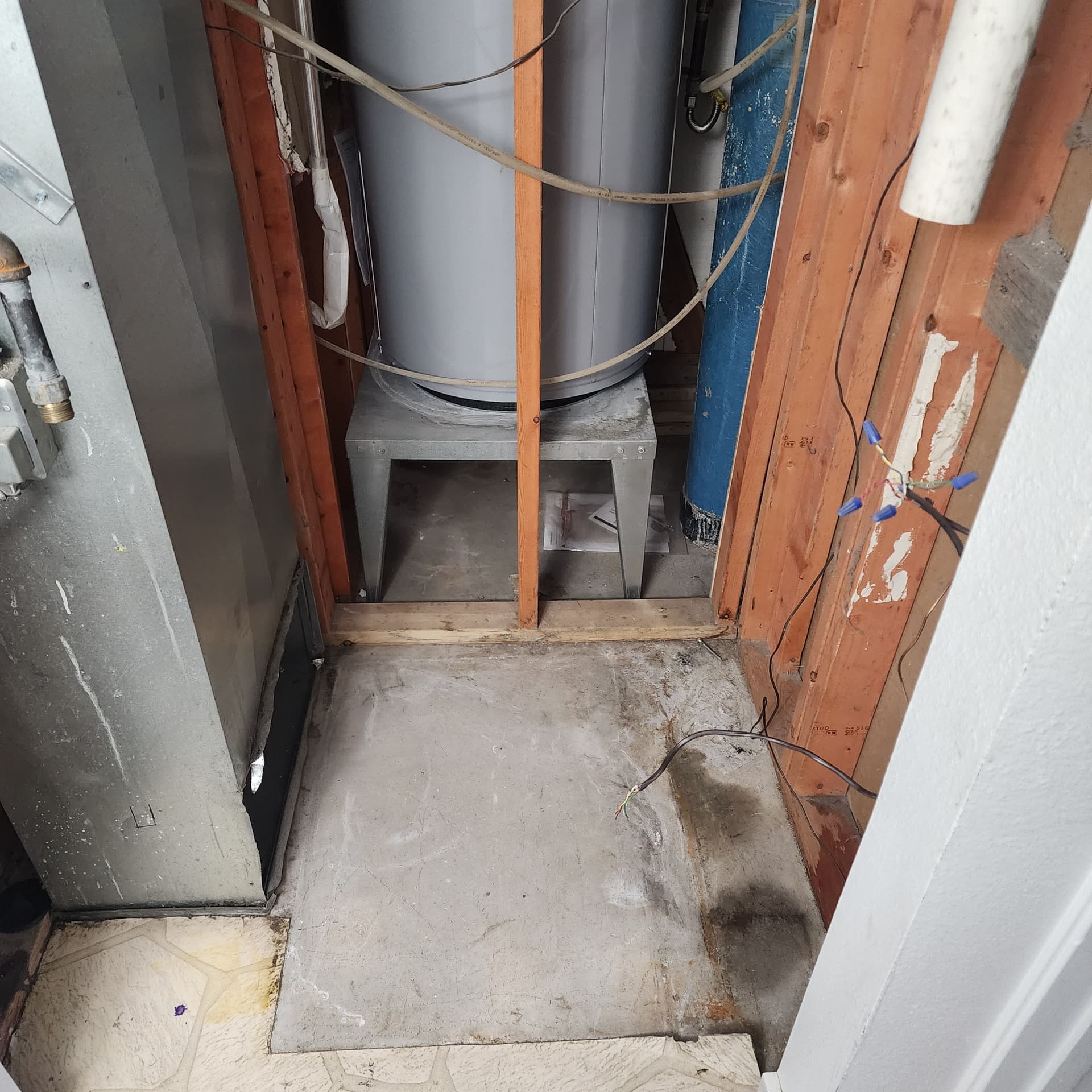
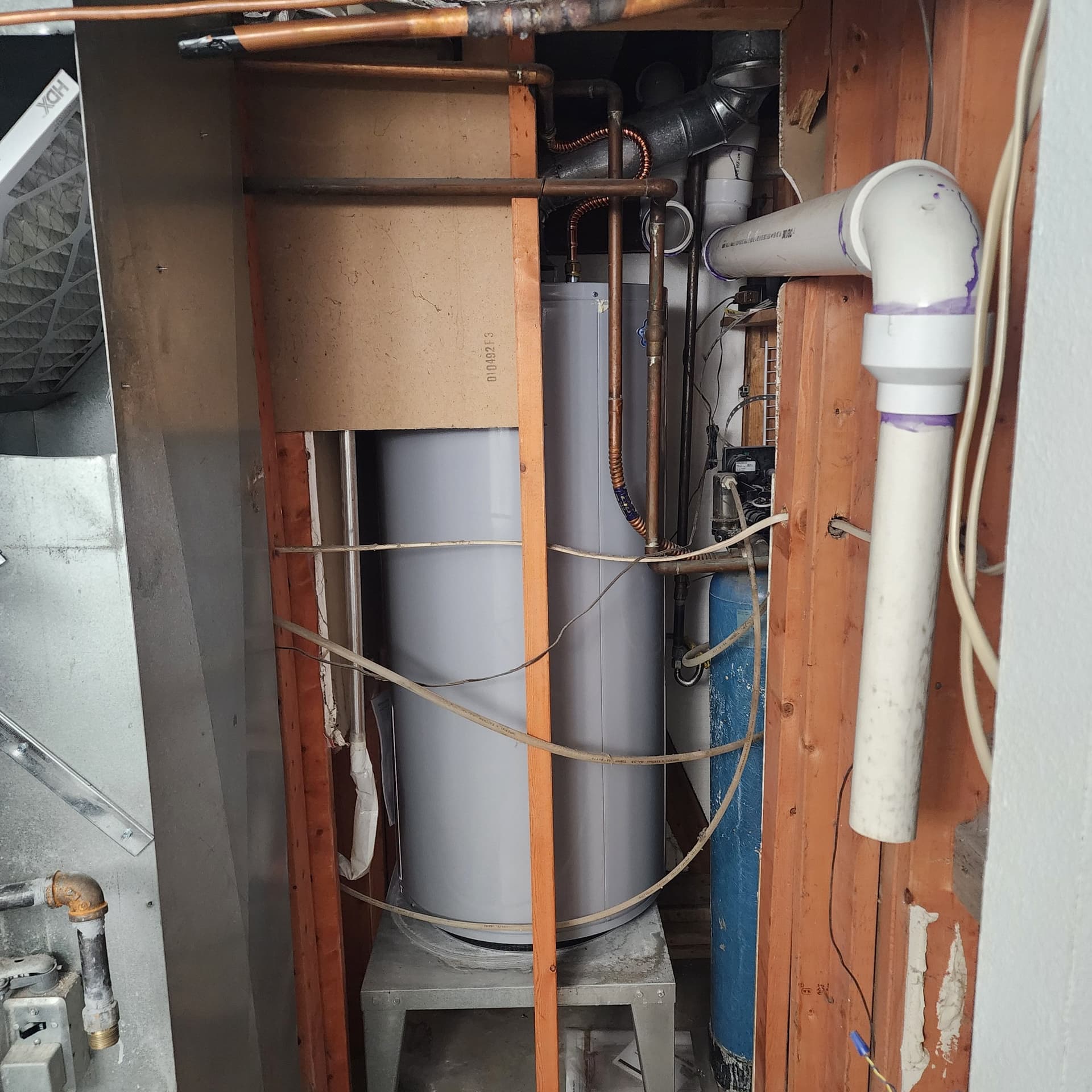
Not every furnace problem comes down to age or neglect. Sometimes the unit itself is the problem - straight from the factory. That's exactly what we ran into on this job. The furnace had a manufacturer defect, and no amount of repairs was going to make it safe or reliable. The only real solution was a full replacement.
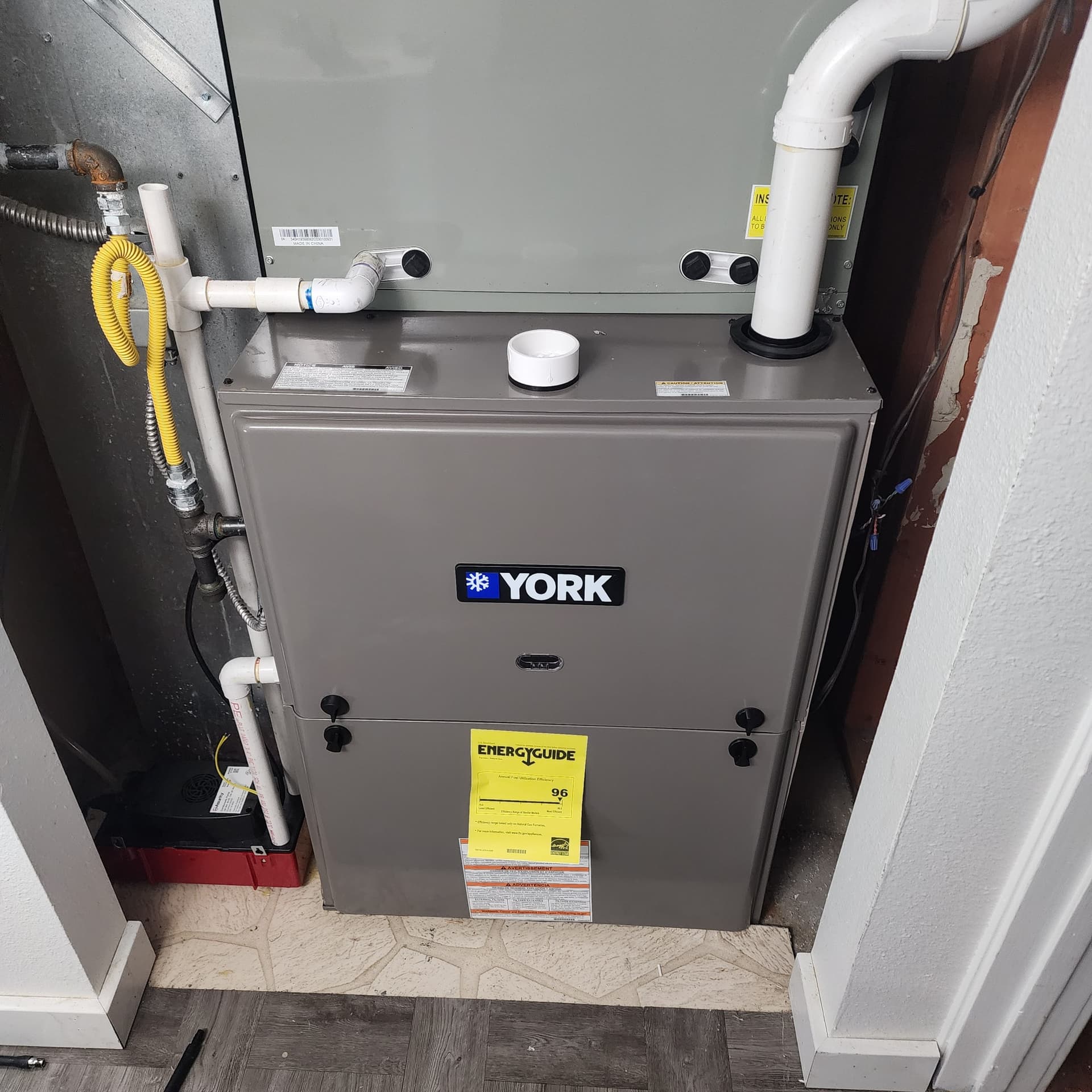
We pulled the old unit out and got a new York high-efficiency furnace installed in its place. The new unit carries a 96 AFUE rating - meaning it converts 96% of the fuel it uses into actual heat. That's a meaningful difference for the homeowner, both in comfort and in what they'll see on their energy bills.
Here's the thing about manufacturer defects - they're not always obvious. A furnace can appear to be running fine on the surface while something fundamentally wrong is happening inside. That's why it matters to have a tech who actually digs into the system rather than just resetting an error code and calling it done. We diagnosed it correctly, gave the homeowner a straight answer, and got the work done right.
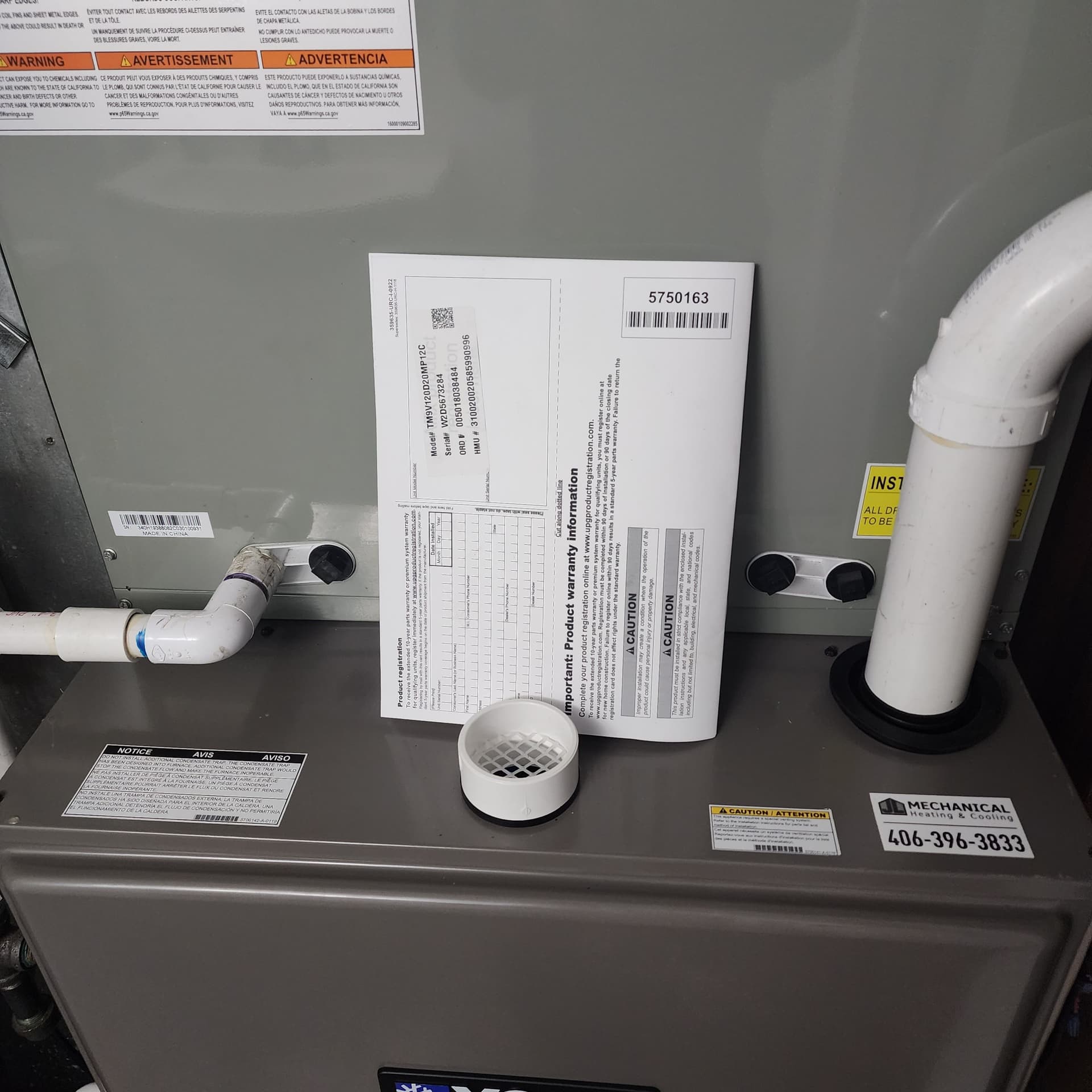
A faulty furnace isn't just an inconvenience. It's a safety issue. Carbon monoxide, improper combustion, fire risk - these are real concerns when a heating system isn't functioning the way it's supposed to. Getting it handled properly protects the home and everyone in it. The homeowner now has a clean install, full warranty documentation in hand, and heat they can actually count on.
If your system has been acting up - short cycling, throwing error codes, producing uneven heat, or just not running the way it used to - don't sit on it. A quick inspection can tell you whether you're dealing with a minor fix or something that needs to be addressed more seriously. Catching it early is always better than waiting until it becomes a bigger problem.